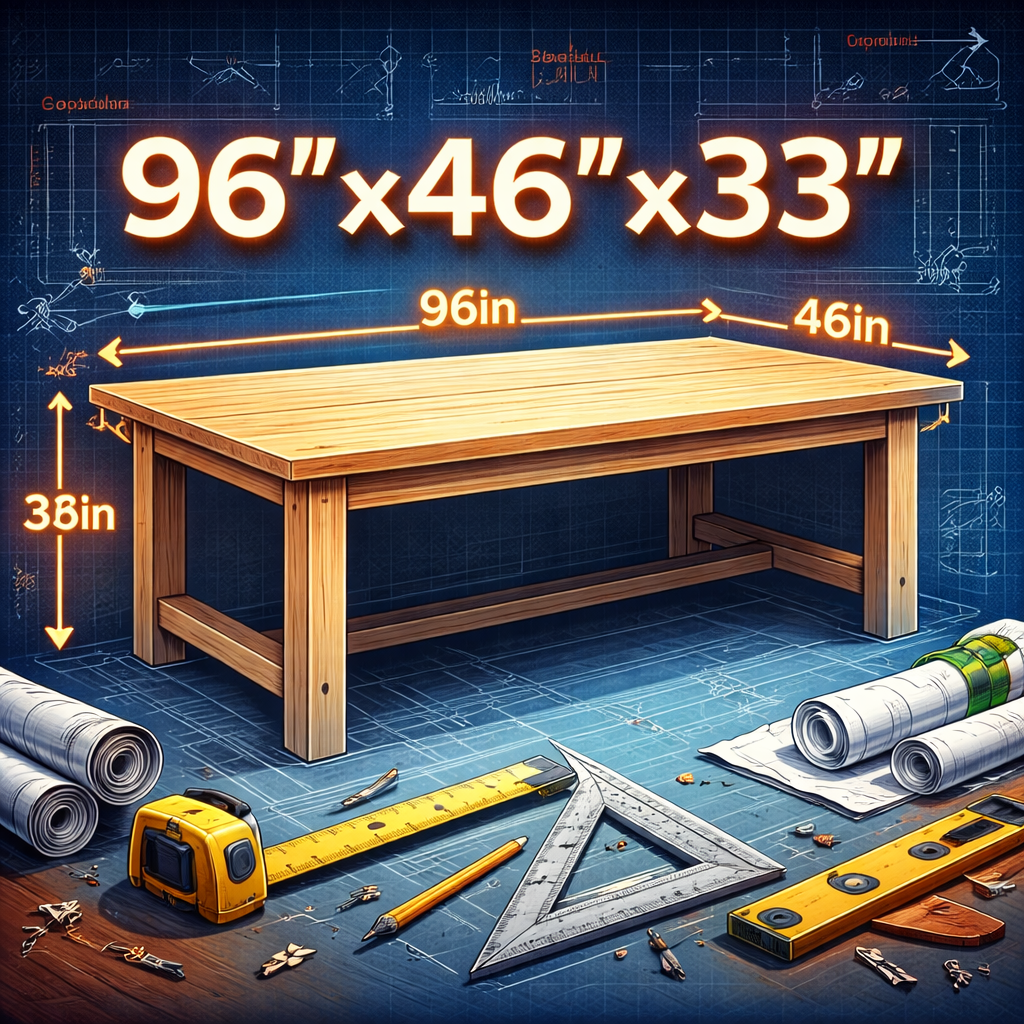
If you’ve come across the term 96X46X33, you’re probably wondering what it actually refers to and why so many people are searching for it. In short, 96X46X33 is a dimensional measurement, most commonly used to describe the size of large objects such as furniture pieces, shipping crates, aquariums, work tables, industrial containers, or custom-built structures.
At first glance, it looks like a random set of numbers. But once you break it down, it becomes clear that this measurement plays a practical role in design, logistics, storage, and even interior planning. In this article, I’ll explain what 96X46X33 means, where it’s commonly used, how to visualize it, and why understanding measurements like this can save you time, money, and frustration.
By the end, you’ll know exactly how to interpret 96X46X33 and whether it fits your specific needs.
Understanding the Measurement: What Does 96X46X33 Mean?
The measurement 96X46X33 usually follows the format:
Length × Width × Height (in inches)
That means:
96 inches long
46 inches wide
33 inches tall
Converted into feet, this equals approximately:
8 feet long
3.8 feet wide
2.75 feet tall
This is not a small object. Anything with these dimensions occupies a noticeable amount of space and is typically considered oversized for residential use unless planned carefully.
When people see numbers like this without context, confusion is natural. The key is knowing that these dimensions are often used in industries where precision matters, such as furniture manufacturing, shipping logistics, and custom construction.
Common Real-World Uses of 96X46X33
Furniture and Custom Tables
One of the most common uses of the 96X46X33 measurement is for large tables, including dining tables, conference tables, and workbenches.
A table that is 96 inches long can comfortably seat 8 to 10 people. The 46-inch width provides generous surface space, making it ideal for group meetings, collaborative workspaces, or family dining. A height of 33 inches is slightly taller than standard dining tables, which typically sit around 30 inches, making it more comfortable for bar-style seating or standing work.
I’ve personally seen this size used in creative studios where people need both seating and workspace without feeling cramped.
Aquariums and Display Tanks
Another area where 96X46X33 appears frequently is custom aquariums. Large aquarium enthusiasts often prefer long tanks to give fish more horizontal swimming space. A tank with these dimensions can hold a significant volume of water, often exceeding 400 gallons depending on glass thickness and internal design.
Because of the weight involved, understanding the exact size is crucial before installation. A filled aquarium of this size can weigh several thousand pounds, which means floor support becomes a serious consideration.
Shipping Crates and Industrial Packaging
In logistics and freight shipping, 96X46X33 is commonly used to describe crate dimensions for heavy equipment, machinery, or bulk goods.
Shipping companies calculate costs based on both weight and volume. Knowing precise dimensions helps avoid unexpected surcharges. A crate of this size often requires palletized shipping and sometimes special handling due to its footprint.
Storage Units and Containers
Storage containers, tool chests, and equipment housings also use this measurement. For warehouses and workshops, containers sized 96X46X33 offer a balance between capacity and accessibility. They are large enough to store bulky items but still manageable with forklifts or pallet jacks.
Why Measurements Like 96X46X33 Matter So Much
Space Planning and Fit
One of the biggest mistakes people make is underestimating how large an object will feel once it’s inside a room. Numbers on paper don’t always translate well into real-world perception.
An item that is 96 inches long will dominate a small room. If your space is only 10 feet wide, that leaves very little clearance on either side. Understanding the exact dimensions helps prevent costly returns or remodeling headaches.
Cost and Material Efficiency
In manufacturing and construction, every inch matters. Materials are often cut to specific sizes to reduce waste. A design based on 96X46X33 may be optimized to use standard sheet sizes, minimizing leftover material and lowering production costs.
This is especially important in custom furniture and metal fabrication, where precision directly affects pricing.
Safety and Compliance
In industrial environments, incorrect sizing can lead to safety issues. Equipment that doesn’t fit properly in designated spaces can block exits, restrict movement, or violate workplace regulations.
Measurements like 96X46X33 are often chosen deliberately to meet specific safety and operational standards.
Visualizing 96X46X33 in Everyday Terms
If you’re struggling to imagine this size, here are a few comparisons:
It’s roughly the length of a full-size pickup truck bed
Wider than a standard refrigerator
About chest-high for an average adult
When placed in a room, it’s closer to a large island counter than a regular table. This visualization makes it easier to decide whether it fits your intended space.
How to Decide If 96X46X33 Is Right for Your Needs
Measure Your Space First
Before committing to anything with these dimensions, measure your available space carefully. Include walking clearance, doorways, and ceiling height if the object needs to be moved or assembled indoors.
I always recommend marking the footprint on the floor with tape. It’s a simple trick, but it instantly shows whether the size feels comfortable or overwhelming.
Consider Weight and Support
Large objects often come with significant weight. Whether it’s furniture, machinery, or a tank, make sure your floor or base can support it. This is especially important in apartments or older buildings.
Think About Long-Term Use
Ask yourself how long you plan to use the item. A large piece sized 96X46X33 is not easy to relocate. If flexibility is important, you may want a modular or slightly smaller alternative.
Customization and Variations
While 96X46X33 is a common size, many manufacturers offer slight variations depending on use. You may see measurements like 96X48X30 or 90X42X33, each designed to meet specific ergonomic or spatial needs.
Custom builds often adjust height or width while keeping the 96-inch length, especially in tables and counters.
SEO-Relevant FAQs About 96X46X33
What does 96X46X33 mean?
96X46X33 refers to dimensions, typically in inches, representing length, width, and height. It is commonly used for furniture, shipping crates, aquariums, and industrial equipment.
Is 96X46X33 considered large?
Yes, this is considered a large size. Objects with these dimensions take up significant space and require proper planning before installation or transport.
What items are commonly sized 96X46X33?
Common items include large tables, custom aquariums, shipping crates, storage containers, and industrial workstations.
Can 96X46X33 fit in a standard room?
It depends on the room size. While it can fit in medium to large rooms, clearance space must be considered for movement and accessibility.
Is 96X46X33 measured in inches or centimeters?
In most cases, especially in the U.S., it is measured in inches. Always confirm the unit of measurement before purchasing or building.
Why is 96 inches a common length?
Ninety-six inches equals 8 feet, which aligns with standard material sizes and room layouts, making it efficient for manufacturing and design.
Final Thoughts
The term 96X46X33 may look technical or confusing at first, but it’s simply a practical measurement used across multiple industries. Whether you’re planning a large table, ordering a shipping crate, or designing a custom installation, understanding this size helps you make smarter decisions.
From space planning to cost control and safety, measurements like this quietly shape how things fit into our lives. Once you start paying attention to them, you’ll notice how often they influence everyday choices.
If you found this article informative, feel free to check out our other articles as well.
Leave a Reply